The Impact of Divorce on Philanthropic Foundations and Charitable Giving
 Divorce is more than a personal or emotional event; it can ripple through financial, legal, and charitable landscapes. This is especially true when high-net-worth individuals or couples with philanthropic commitments are involved. Foundations, endowments, and charitable giving plans often face unanticipated challenges during divorce proceedings.
Understanding the impact of divorce in this context is essential for preserving charitable goals and avoiding legal complications. This article explores how divorce affects philanthropic foundations and charitable giving.
Jump to article sections:
- How Marital Assets Affect Charitable Foundations
- Challenges in Dividing Charitable Donations
- Legal Implications for Philanthropic Foundations
- Changes to Charitable Giving Goals Post-Divorce
- Financial Strategies to Preserve Charitable Giving
- Emotional Considerations
- The Role of a Divorce Lawyer
1. How Marital Assets Affect Charitable Foundations
Philanthropic foundations are often funded by marital assets, blending the couple’s shared financial goals with their charitable vision. During a divorce, these assets are scrutinized and divided, potentially altering a foundation’s resources, leadership, or future.
For example, if a couple funds a charitable foundation using jointly-owned investments, the foundation’s financial stability may be threatened if those investments are liquidated or divided. Furthermore, disputes may arise over who controls the foundation moving forward.
Important questions include:
- Was the foundation co-managed by both spouses?
- Are the donations tied to individual earnings or joint income?
Examining these factors early in the divorce process can help couples and their legal teams devise equitable solutions.
2. Challenges in Dividing Charitable Donations
Charitable donations made during a marriage are often seen as shared contributions, regardless of who initiated them. This raises challenges during divorce, especially when large donations or multi-year pledges are involved.
The division of charitable contributions can become contentious if one spouse claims sole credit for a donation or denies responsibility for ongoing commitments. Legal experts advise carefully cataloging donations during the marriage and clarifying whether future pledges were made jointly or individually.
Negotiating resolution options, like joint follow-through on existing pledges, can protect the charity’s interests while maintaining goodwill between both parties.
3. Legal Implications for Philanthropic Foundations
U.S. law requires foundations to maintain operational independence, but divorce introduces complexities. Courts will often evaluate whether a foundation is a marital asset, which can subject it to division under state property laws. This varies by jurisdiction, but the division usually depends on:
- The nature and source of funding
- The foundation’s management and operational structure
Experienced divorce attorneys play a crucial role in preserving the mission and integrity of the foundation. They help identify whether modifications to foundation bylaws, leadership structures, or asset allocation are needed to comply with legal rulings.
4. Changes to Charitable Giving Goals Post-Divorce
Divorce often leads to shifts in priorities, including charitable goals. One partner may want to redirect their philanthropic efforts, while the other remains committed to existing causes. Reconciling these differences is necessary to avoid disputes.
For example, if a couple co-chaired a board for a charitable organization, changes in their personal relationship might destabilize leadership. Creating clear boundaries and assigning specific roles can help ensure continuity for the organization.
Planning sessions facilitated by attorneys and financial advisors can help outline new, independent giving strategies for each spouse.
5. Financial Strategies to Preserve Charitable Giving
Divorce doesn’t have to derail philanthropic work. With careful planning, couples can safeguard their charitable commitments. Key strategies include:
- Creating a Financial Inventory: Catalog all donations, endowments, and related assets to understand the full scope.
- Establishing a Trust: A charitable trust can protect funds from division and provide tax benefits.
- Amending Foundation Bylaws: Alter governance structures to ensure impartial decision-making.
Advisors can also help develop sustainable funding models that reflect each party’s post-divorce financial capacity.
6. Emotional Considerations
 The emotional toll of divorce can spill into philanthropic decisions. Passion for a shared cause may become entangled with feelings of resentment or loss, making collaboration difficult.
Mediators or counselors can help divorcing couples maintain focus on their charitable goals. This is particularly helpful when children are involved, as many parents want to maintain a legacy of giving for future generations.
Approaching the situation with empathy can preserve not only the charitable cause but also some measure of harmony between the former partners.
7. The Role of a Divorce Lawyer
Divorce involving philanthropic assets requires an experienced legal, financial, and emotional support team. Attorneys specializing in divorce law can clarify asset division laws, while financial advisors ensure that charitable foundations remain solvent.
Collaborating with estate planners during divorce and nonprofit consultants can reveal creative solutions that minimize disruption to charitable work. For instance, transitioning from joint leadership to independent oversight can be managed professionally when guided by experts who prioritize both parties’ objectives.
For couples in the Milwaukee area dealing with high net worth divorce and how it impacts their philanthropic giving, reach out to the team at Ohiku Law. At Ohiku Law, we understand the complexities of divorce and how it can affect charitable giving. Our Milwaukee divorce attorneys can provide guidance and support to help you navigate this difficult time while still ensuring your philanthropic goals are met.
Whether it’s creating a charitable giving plan, negotiating division of assets related to donations, or navigating tax implications, our team has the expertise and experience to assist you.
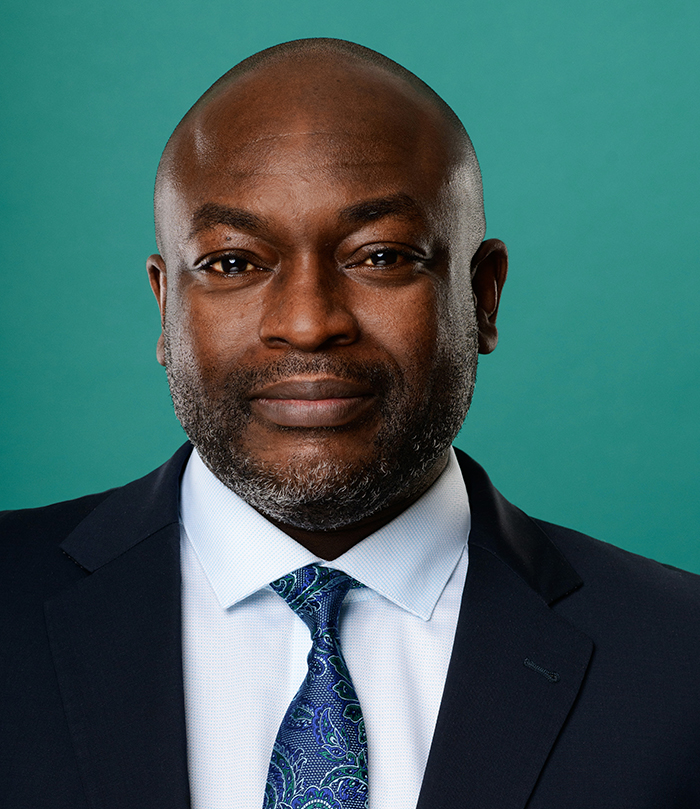 By Attorney Odalo Ohiku, Owner of Ohiku Law Office
Attorney Odalo Ohiku is a dedicated and experienced lawyer who focuses on divorce law, family law, and custody and placement for high-net-worth individuals in the Greater Milwaukee area. A trained mediator and arbitrator, Attorney Ohiku has the skill set, experience, and perspective to help clients safeguard their interests while minimizing the stress, anxiety, and conflict that can come with divorce. Attorney Ohiku’s credentials are exemplary: he has been honored as a “Top 40 under 40” by both The American Society of Legal Advocates and The National Trial Lawyers, served as Chair of the Wisconsin State Bar Board of Governors, and earned the President Award from the Wisconsin State Bar. He is passionate about his work in safeguarding families, ensuring that they can maintain the lives they have worked hard to build.

